Reliable electricity, efficient equipment, and dependable engineering solutions are essential for businesses, agricultural operations, commercial buildings, and infrastructure development. As Ethiopia continues to develop, organizations need practical ways to manage their energy requirements, improve operational efficiency, and select equipment that meets their technical needs.
Zamra Electromechanical PLC is an Ethiopian company focused on solar energy solutions, electromechanical services, and electrical equipment supply. The company’s areas of focus include solar power systems, solar-powered irrigation, backup power solutions, elevators, electrical distribution equipment, industrial motors, pumps, and other electromechanical products.
By bringing together engineering services and equipment supply, Zamra aims to help customers identify suitable solutions for their projects, from initial planning and product selection to installation-related services and ongoing technical support.
Understanding the Role of Electromechanical Engineering
Electromechanical engineering combines electrical systems, mechanical equipment, controls, and related technologies to support the operation of buildings, industrial facilities, agricultural systems, and infrastructure.
These systems are found in many everyday applications. Electrical distribution panels help organize and distribute power. Motors drive industrial machinery and pumping systems. Variable frequency drives control motor speed in compatible applications. Elevators provide vertical transportation in multi-storey buildings, while solar energy systems convert sunlight into usable electricity.
Selecting and integrating these components requires attention to system requirements, operating conditions, safety, equipment compatibility, and maintenance needs.
For businesses planning a new installation or upgrading an existing facility, understanding how these systems work together can help reduce avoidable problems and support more reliable operations.
Solar Energy Solutions for Different Applications
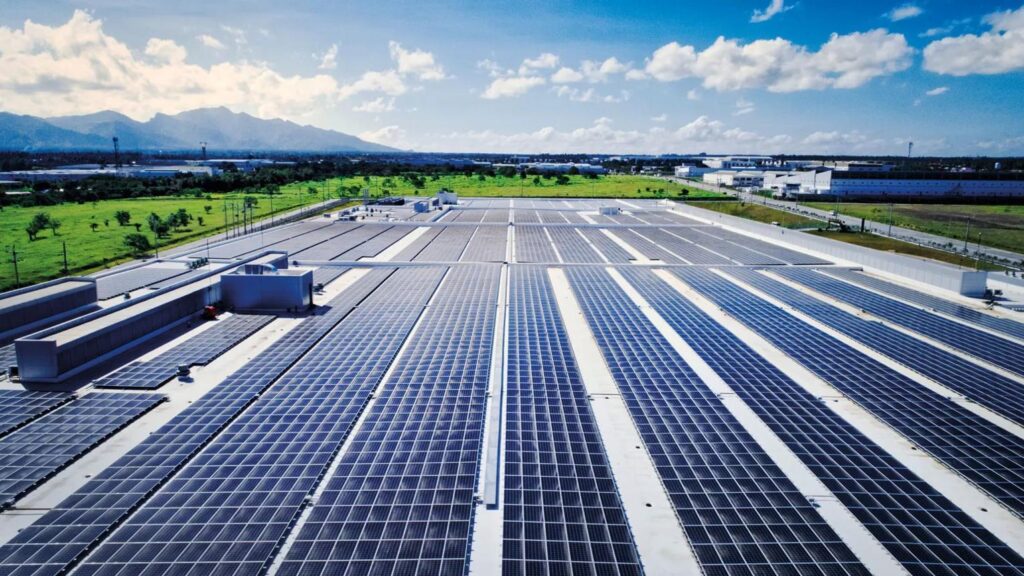
Solar energy can provide electricity for a variety of applications, depending on the location, available sunlight, energy demand, and system design.
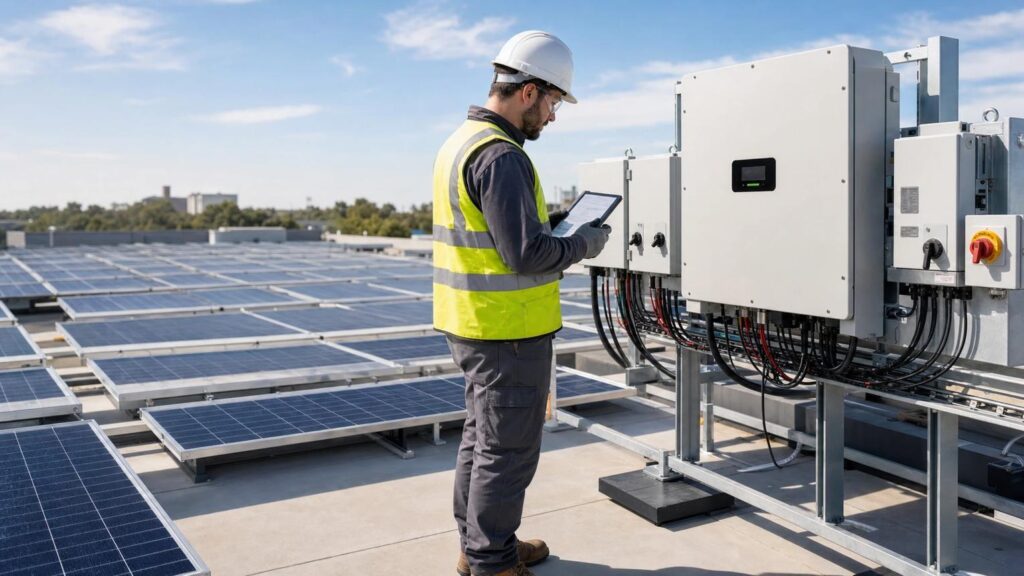
A properly planned solar installation begins with understanding how electricity is used. The assessment should consider the equipment being powered, its operating hours, peak demand, and the importance of maintaining power during interruptions.
The system can then be designed around the intended application. Depending on the requirements, it may include solar panels, inverters, batteries, mounting structures, electrical protection equipment, and associated wiring.
For commercial facilities, solar power may help offset part of the electricity demand. For remote locations, an appropriately designed off-grid system may provide power where grid access is limited. Hybrid systems can combine solar generation with battery storage and another available power source.
Zamra focuses on solar system planning, equipment supply, installation-related services, and technical considerations that help customers assess which approach is appropriate for their needs.
Solar-Powered Irrigation and Agricultural Applications
Agriculture depends on reliable access to water. However, the availability and cost of electricity or fuel can influence the practicality of operating irrigation pumps, particularly in locations away from established power infrastructure.
Solar-powered pumping systems use electricity generated by photovoltaic panels to operate compatible water pumps. Depending on the system design, they can support water delivery for agricultural irrigation, livestock needs, and other suitable water applications.
The right solution depends on several factors, including the water source, required flow rate, pumping depth, elevation, daily water demand, and seasonal operating conditions.
Solar panels, pump selection, controllers, electrical protection, and water storage arrangements must be considered together. An undersized system may not deliver the required volume of water, while unsuitable equipment can create unnecessary operating and maintenance difficulties.
Zamra’s focus on solar irrigation and pumping solutions reflects the importance of matching equipment to the practical requirements of agricultural operations.
Electrical Equipment and Industrial Systems
Electrical and mechanical equipment plays a central role in commercial and industrial operations. Choosing the right components can affect system performance, equipment protection, maintainability, and long-term operating costs.
Zamra’s product areas include several important categories:
- Electrical power transformers: Used to convert voltage levels as required for power distribution and electrical installations.
- Variable frequency drives (VFDs): Used to control the speed of compatible electric motors in suitable applications.
- Electrical distribution panels: Used to distribute electrical power and accommodate appropriate switching and protection devices.
- Industrial water pumps: Used for water transfer, supply, circulation, and other fluid-handling applications.
- Three-phase electric motors: Used to drive compatible machinery, pumps, and industrial equipment.
Equipment selection should take into account electrical ratings, load requirements, operating environment, installation conditions, protection requirements, and compatibility with other system components.
Rather than choosing equipment based on price or appearance alone, buyers should understand the technical requirements of the application and confirm that the selected products are suitable for the intended operating conditions.
Elevators and Electromechanical Contracting
Modern buildings depend on more than structural design and architectural finishes. Electrical distribution, mechanical equipment, controls, and vertical transportation systems all contribute to the safe and functional operation of a facility.
Elevators require appropriate installation planning, compatible equipment, inspection and testing, and a maintenance approach suited to the system. Electrical contracting similarly requires careful attention to circuit design, distribution equipment, cable sizing, grounding, protection, and installation quality.
These activities should be coordinated with the requirements of the building, the relevant technical specifications, and applicable local regulations.
For commercial properties, residential developments, and other building projects, effective electromechanical coordination can help ensure that equipment and electrical systems work together as intended.
A Practical Approach to Project Planning
Every project begins with a different set of requirements. A farm may need a water pumping solution, while a commercial building may be evaluating solar power or backup storage. An industrial facility may need a motor control component, a transformer, or a replacement pump.
A practical planning process generally includes the following steps:
1. Identify the requirement. Define the problem to be solved, the equipment involved, and the expected operating conditions.
2. Assess the technical needs. Establish the relevant electrical ratings, loads, flow rates, operating hours, installation constraints, and other application-specific requirements.
3. Select suitable equipment. Compare available options based on compatibility, performance requirements, installation conditions, maintenance, and overall value.
4. Plan installation and integration. Consider the wiring, mounting, protection, controls, commissioning, and coordination required for the complete system.
5. Consider ongoing support. Plan for inspection, preventive maintenance, troubleshooting, and replacement of components when needed.
Following a structured process helps project owners make better-informed decisions and reduces the risk of overlooking important technical details.
Why Work With Zamra Electromechanical PLC?
Finding suitable equipment and identifying the right engineering approach are both important parts of a successful project. Zamra brings together a focus on solar energy, electrical equipment, and electromechanical applications to serve customers with different operational requirements.
The company’s areas of focus include solar energy systems, solar irrigation, backup power, elevators, electromechanical contracting, and electrical equipment supply.
Whether you are planning a new installation, evaluating equipment for an existing facility, or exploring solar power for an agricultural operation, defining your requirements clearly is a useful first step.
Zamra encourages customers to discuss their project needs, equipment specifications, and intended applications so that relevant options can be considered.
Conclusion
Ethiopia’s energy, agricultural, commercial, and industrial sectors all depend on equipment and systems that meet practical operating requirements. Solar power, irrigation pumping, electrical distribution, motor control, elevators, and other electromechanical applications each require careful planning and appropriate equipment selection.
Zamra Electromechanical PLC focuses on these areas by connecting solar and electromechanical solutions with electrical equipment supply. With a clear understanding of project requirements, customers can make more informed decisions about the systems and components needed for their operations.
If you are considering a solar installation, an irrigation pumping system, electrical equipment, or an electromechanical project, contact Zamra to discuss your requirements.
Contact Zamra Electromechanical PLC
Company: Zamra Electromechanical PLC
Address: 150 metres before Megenagna 22 Roundabout, Addis Ababa, Ethiopia
Phone: +251 98 277 1897
Email: info@zamraelectromechanical.com
Additional email: birhanu@zamraelectromechanical.com
Website: https://zamraelectromechanical.com/
Contact Zamra Electromechanical PLC to enquire about solar energy solutions, electrical equipment, solar irrigation systems, elevators, and electromechanical services.